
Tree Cutting, Felling and Thinning in Albuquerque, NM
Caring for your trees in Albuquerque requires more than just trimming a few branches. Whether you need tree cutting, felling, or thinning, each method plays a unique role in maintaining healthy landscapes, improving safety, and protecting property. Because Albuquerque has a dry climate with wildfire risks and local regulations around tree work, understanding these services is essential for homeowners and land managers.
Tree Cutting in Albuquerque
Tree cutting means removal of trees or large portions of trees, usually because they are dead, diseased, hazardous, getting in the way of property. It can be done by cutting the tree apart piece by piece or by trimming branches carefully to make more space.
Why Trees are Cut
Common reasons for tree cutting in Albuquerque include:
- Trees damaged by drought or pests.
- Overgrown trees interfering with roofs, driveways, or power lines.
- Trees growing too close to foundations or blocking solar panels.
- Diseased or decaying trees that can be risky.
Safety and Permits
Cutting a tree may seem simple, but it is one of the most dangerous tasks in landscaping. Falls, improper cuts, and tool misuse can cause serious injury. In Albuquerque, tree removal often requires reviewing Albuquerque City Regulations and Bernalillo County Ordinances to determine whether a permit is needed. Always check before starting any work.
Tools Used in Tree Cutting
Professionals use special tools for safe and effective cutting, including:
- Chainsaws and pole saws for sectioning branches.
- Stump grinders for removing leftover stumps.
- Pruning shears for precision work.
- Protective gear such as helmets, chaps, gloves, and goggles.
Trying to cut a large tree without training is risky. Hiring a certified arborist ensures you follow city rules and guarantees the work is done safely.

Tree Felling in Albuquerque
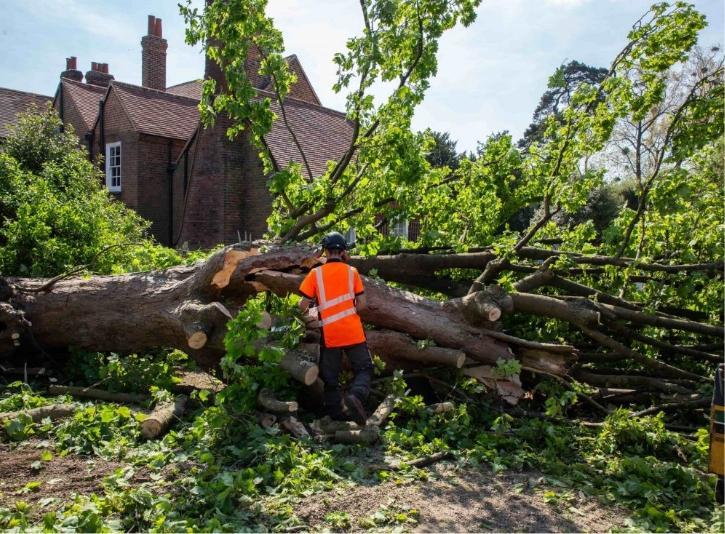
Tree felling is the process of cutting a tree at its base so it falls in a planned direction. Unlike general cutting, felling involves precision and is typically used when removing entire trees from a property.
How Tree Felling Works
The most common way is the notch and back-cut method, where a directional notch is made on one side of the trunk, and a back cut on the other guides the tree’s fall. More advanced methods are used for larger or hazardous trees.
Safety First
Because felling down a full tree is risky, experts prepare carefully. They wear safety gear, map out exit routes, and study the wind, the slope, and how the tree leans before making their cuts.
Local Factors in Albuquerque
Albuquerque has many different types of trees, especially in the Rio Grande Bosque, where cottonwoods are most common. Cutting trees in these sensitive areas often needs special permits and has to be done with care to protect the environment. In fire-prone spots near the Sandia Mountains, tree removal is sometimes done to lower wildfire risks.
Tree Thinning in Albuquerque
Tree thinning involves selectively removing branches or smaller trees to improve airflow, sunlight penetration, and overall tree health. Unlike felling, thinning does not remove the entire tree, it improves its health.
Benefits of Thinning
- Reduces weight on limbs and lowers the chance of storm damage.
- Improves airflow, decreasing risks of fungal diseases.
- Helps young trees develop stronger root systems.
- Encourages healthier foliage growth and higher photosynthesis.
- Helps trees get enough water in Albuquerque’s dry soil.
Methods of Thinning
- Selective Thinning – removes weaker trees or crowded stems.
- Crown Reduction – trims the upper canopy for safety and sun exposure.
- Canopy Management – balances shade and growth for landscaping goals.
Local Relevance
In Albuquerque’s dry climate, overgrown canopies can trap heat and create wildfire hazards. Wildfire mitigation programs often recommend thinning to reduce fuel loads. For homeowners, thinning cottonwoods and other large species not only improves safety but also conserves water by reducing unnecessary competition between trees.
Environmental and Landscaping Benefits
Tree services go beyond safety. Cutting, felling, and thinning also:
- Support ecosystem balance by protecting native vegetation.
- Improve energy efficiency by managing shade near homes.
- Produce mulch and wood chips for sustainable landscaping.
- Enhance property values with healthier, more attractive trees.
Conclusion
Tree cutting, felling, and thinning are essential practices for maintaining safe and beautiful landscapes in Albuquerque. Each service requires specialized tools, knowledge, and attention to local regulations. Whether you’re removing a hazardous tree, guiding a controlled fall, or thinning crowded canopies for wildfire prevention, working with certified professionals ensures both safety and compliance.
For Safe and For safe, rule-following tree care in Albuquerque, you can count on our experienced team.