
Albuquerque’s desert climate makes tree trimming more than just a landscaping choice, it’s a science of timing, technique, and care. With hot summers, dry winds, and short winters, knowing when to trim can mean the difference between a thriving tree and one that struggles with pests and disease. Many homeowners don’t realize how important timing is, and they often find out too late that trimming trees in summer can cause problems.
So, when is the best time to trim trees in Albuquerque? Here is the answer
Why Timing Matters for Tree Trimming
Albuquerque’s climate can be tough on trees, with hot sun, long dry spells, and sudden cold snaps. If you trim at the wrong time, cuts may drip sap, attract bugs, or leave trees open to disease. But when trimming at the right season encourages healthy regrowth, prevents hazards, and extends the lifespan of trees.
The City of Albuquerque Parks and Recreation Department recommends trimming during winter months whenever possible. When trees are resting in winter, they handle trimming better. Cuts close up faster and pests or diseases are less of a problem.
Best Time for Fruit Trees
Fruit trees like peach, apple, and apricot are common in Albuquerque backyards. These species demand careful attention to timing:
Late Winter to Early Spring (February to March): Late winter is the best time, just before the buds open. Trimming then lets trees heal faster since they’re not busy growing leaves or fruit yet.
Avoid Summer: Trimming trees in hot weather can make tree juice leak out after a cut, weaken them, and attract pests like aphids or borers.
Disease Control: Winter trimming reduces infection risks since germs and fungi are not active in cold weather.
The NMSU Bernalillo County Extension Office highlights that trimming fruit trees in winter not only improves airflow but also enhances fruit size and quality.
Best Time for Non-Fruit Trees
Albuquerque’s landscapes are dotted with cottonwoods, elms, junipers, piñon pines, and mulberries. While not as sensitive as fruit trees, they also benefit from strategic timing:
Late Winter/Early Spring: Dormant trimming encourages strong regrowth in spring.
Before Monsoon Season: Removing dead or overhanging branches reduces storm damage when Albuquerque’s winds pick up.
Evergreens: Species like junipers are best trimmed in early spring to minimize resin flow.
The Albuquerque Open Space Division advises caution with spring-flowering species. For example, lilacs and crabapples should be trimmed immediately after blooming otherwise, next year’s buds may be lost.
Safety Standards and Arborist Expertise
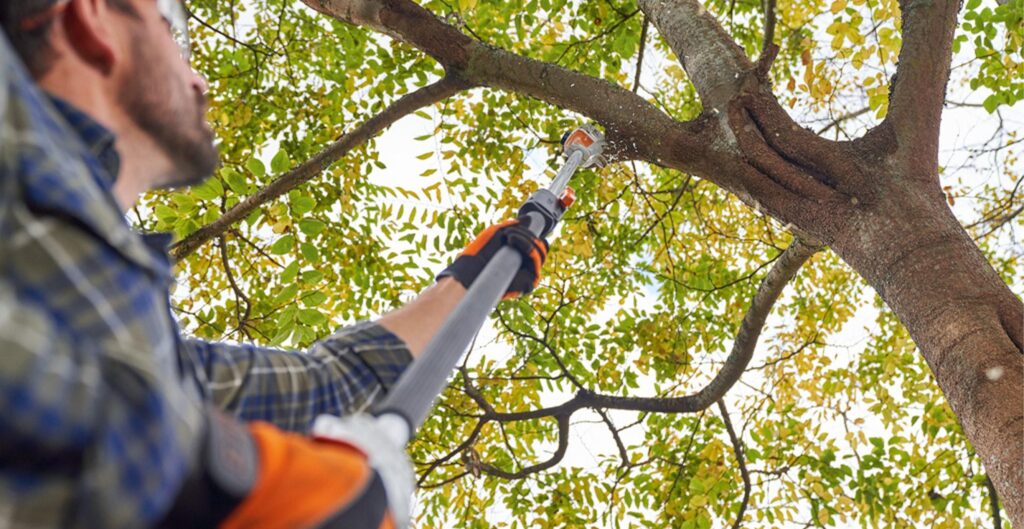
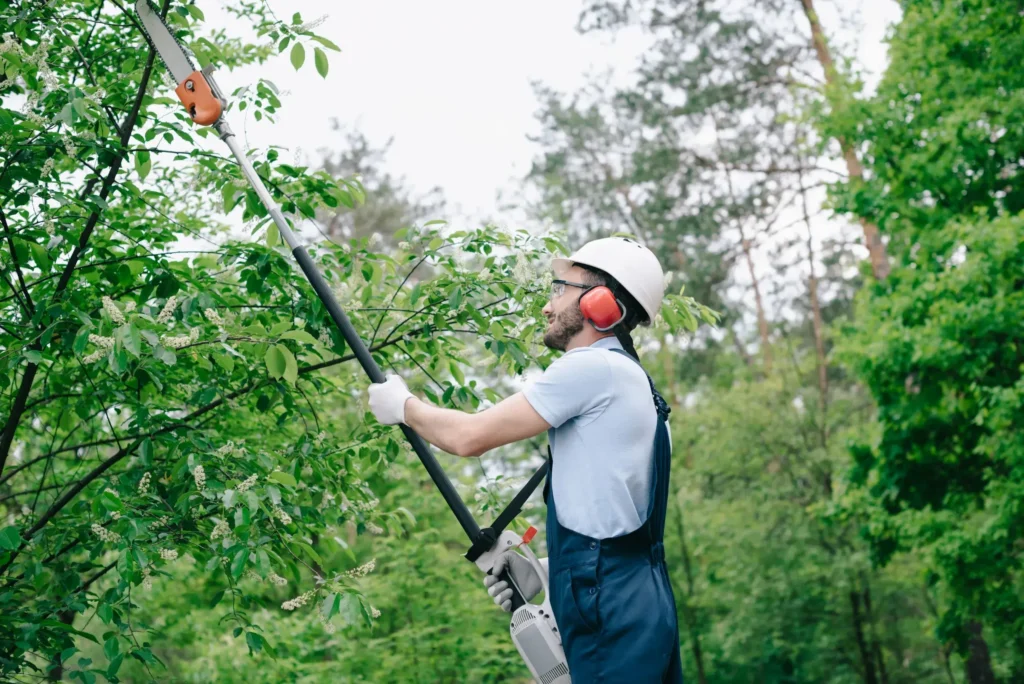
Tree trimming isn’t just about when, but also how. Following OSHA safety standards ensures that both homeowners and professionals avoid accidents. From sharp handsaws to pole saws and chainsaws, using the right tools prevents ragged cuts that invite pests.
Certified arborists bring another layer of expertise. The International Society of Arboriculture (ISA) sets trimming standards, and Albuquerque’s certified professionals understand how to apply them to desert trees. The city even trains volunteers through the Albuquerque Tree Stewards Program, reinforcing the importance of proper techniques.
Tree Trimming and Disease Prevention
In Albuquerque, common diseases like fire blight, powdery mildew, and cankers can spread quickly when trees are trimmed improperly. Cuts made in the summer heat are especially likely to get infected.
The UNM Arboretum emphasizes disease prevention through strategic trimming removing dead or crossing branches not only improves structure but also boosts air circulation. For homeowners, this means fewer bug problems and healthier trees in the neighborhood.
Utility Line Clearance
One of the most overlooked aspects of tree trimming in Albuquerque is managing growth near power lines. The Public Service Company of New Mexico (PNM) enforces strict clearance rules to protect both residents and electrical systems. Improper trimming around utility lines can lead to outages, fines, or dangerous accidents.
Trimming near utilities should always be handled by professionals trained in clearance techniques. This protects property while maintaining compliance with city and state standards.
Keeping Trees Strong and Attractive
Beyond safety and health, tree trimming shapes the look and future of Albuquerque’s landscapes. Proper trimming extends the lifespan of cottonwoods and aspens while keeping ornamental trees attractive and functional.
At the Albuquerque BioPark Botanic Garden, you can see how careful trimming keeps trees balanced and attractive, adding beauty to the space. Homeowners can do the same to boost the look and value of their property.
Wildfire Mitigation
In New Mexico, wildfires are a seasonal concern. Overgrown or improperly trimmed trees can act as fuel during dry summers. The New Mexico State Forestry Albuquerque District advises regular trimming to reduce ladder fuels and improve defensible space around homes.
By trimming lower branches and maintaining healthy canopies, homeowners reduce both fire risk and insurance concerns in fire-prone areas.
Water and Climate Considerations
Since Albuquerque is hot and dry, giving trees the right amount of water is important for their health. Pros suggest soaking trees deeply about a week before trimming to help them handle it better.
The Albuquerque Bernalillo County Water Utility Authority further advises trimming during cooler months, when water retention is higher and evaporation rates lower. This ensures trees recover quickly after cuts.
Tips for Homeowners
Before you start trimming, here are a few things to remember:
- Trim on mild days above freezing to avoid frost damage.
- Never “top” trees this weakens them and encourages unstable regrowth.
- Use sharp, clean tools to prevent ragged cuts.
- Know your species: piñon pines tolerate light summer trims, but cottonwoods do not.
- When in doubt, call a certified arborist.
Conclusion
Trimming trees in Albuquerque is not a one-size-fits-all task. From fruit trees that demand late winter care to cottonwoods that thrive on dormant trimming, timing is crucial. Local factors dry winds, pests, and even wildfire risks make it essential to align trimming practices with Albuquerque’s unique environment.
When done right, tree trimming enhances safety, improves health, and extends the life of your trees. For those unsure where to begin, consulting certified arborists ensures the job is done properly and at the right time.
👉 For expert guidance on safe and seasonal tree trimming, visit our Tree Trimming Albuquerque page to learn more.